
A booking photo appears on a website that calls it public. So are mugshots public record? They start as agency-made records governed by state or local law, but that status does not by itself settle private republication.
The sections below separate the agency record from the website copy. Readers who want the removal side can go straight to how to remove a mugshot from the internet.
Where a mugshot begins
A mugshot is a booking photograph produced by a law enforcement agency. Because an agency creates it, the photo is treated as part of that agency’s records. Online Reputation explains that state or local agencies govern the documents, records and images they produce under local laws. No single national rule decides whether a booking photo can be obtained.
This is why the question “are mugshots public record” rarely has a flat yes. The status belongs to the agency’s copy and follows the public records law that applies to that agency. A private website that later posts the image is a different actor, and it relies on a different argument. Mugshot sites commonly cite the Freedom of Information Act, along with what they call new media rights, as justification for publishing.
The table contrasts the assumptions people most often make with what the supported facts show.
| Common assumption | What the facts show | Practical effect |
|---|---|---|
| “Public record” means anyone may republish it | Mugshot sites cite the Freedom of Information Act as justification, while the agency’s own record is governed by state or local law | Treat the agency record and the website copy as two separate questions |
| One federal rule applies everywhere | State or local agencies govern the records and images they produce under local laws | Check the law of the state where the arrest happened |
| Sealing makes a record disappear | Sealing restricts access but does not erase the record | Expect the record to exist even when the public cannot reach it |
| Agencies can refuse requests without explanation | Massachusetts requires the specific reasons and exemptions to be given in writing | Ask for the stated exemption when a request is denied |
Misunderstandings that cause the most confusion
- “Public record” is not a licence to republish. Public records laws govern what an agency must make available and how. A website that cites the Freedom of Information Act is making its own argument for posting, and the agency’s statute does not automatically decide it.
- An agency is not the same as a website. The law enforcement agency holds the original and answers to its state or local rules. The site holds a copy and answers to different considerations, which is why the two should never be treated as one record.
- Federal law is not the whole story. Because state or local law governs agency-produced images, a person in one state can face very different rules from a person in another.
- Denial is not the end of the road. Where a statute requires a stated exemption, a refusal must point to a specific legal basis, which can then be checked.
How a records request works
A records request is the usual route to an agency’s copy. Massachusetts offers a clear statutory example. The statute sets a limit of 10 business days after receipt of a request.
The same section also caps what an agency can charge for standard black-and-white paper copies or printouts at not more than 5 cents per page. When an agency withholds a record, it must give the specific reasons in writing, including the exemption or exemptions it relies on.
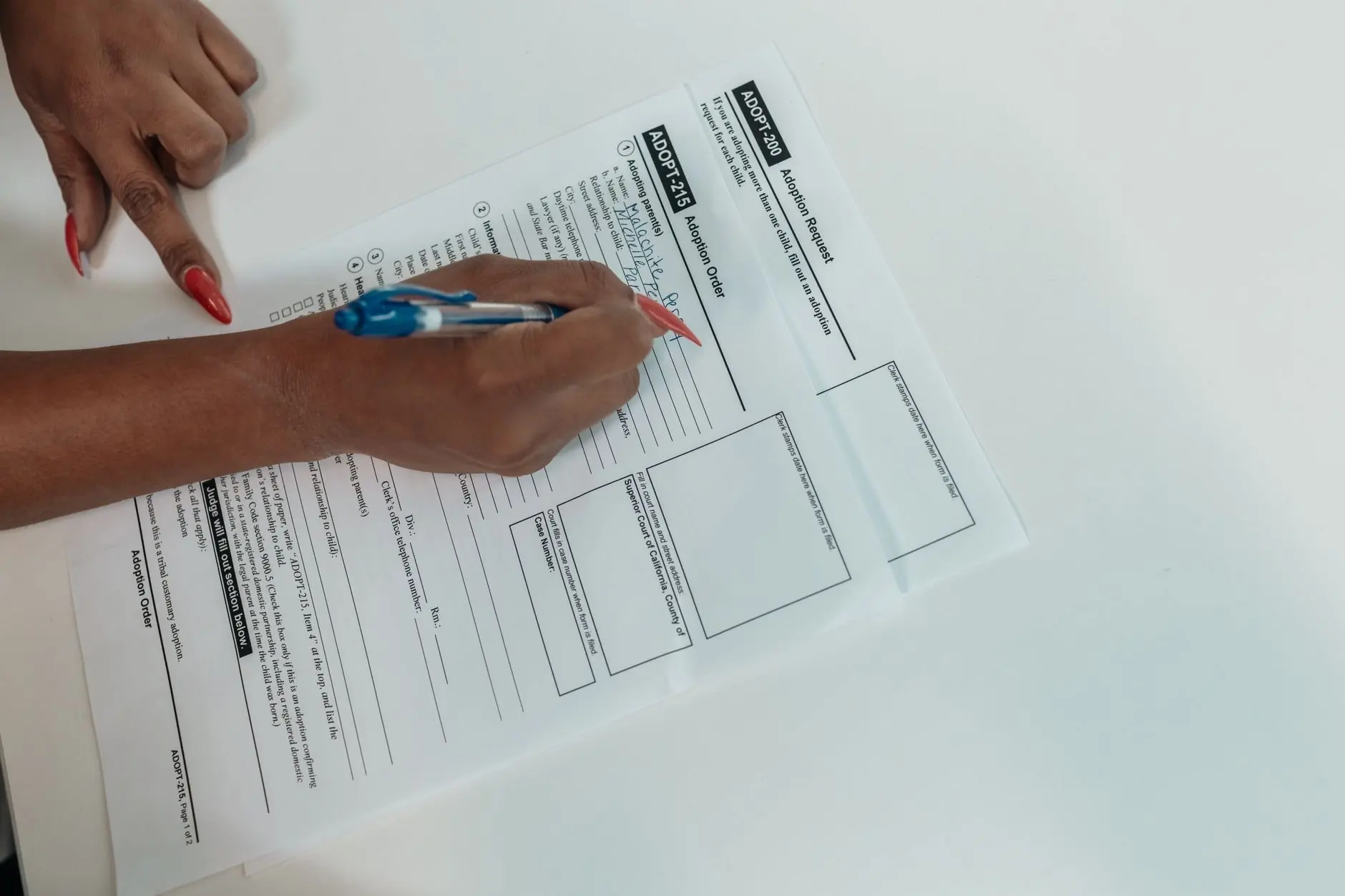
Other states set their own deadlines, fees and exemptions, so the Massachusetts figures are an illustration of how a statute can work, not a national standard. Anyone requesting an arrest photo should read the statute of the state where the agency sits before relying on a timeline.
State-by-state differences
The answer does change by state. Since state or local law governs the records an agency produces, deadlines, exemptions and sealing rules all vary. Colorado shows how detailed a state’s approach can be.
According to Wolf Law’s Colorado guide, the sealing process is set out in Colorado Revised Statutes 24-72-703 and follows three steps. The same guide notes that Senate Bill 18-057 prohibits unfair housing practices based on arrest records or charges that did not result in a conviction. A state can therefore regulate how a record is used, not only whether it can be seen.

Anyone weighing a removal strategy should look at the rules for the state of arrest, including states that ban mugshot websites charging fees. Those rules address the commercial side that the agency’s records statute does not.
After the case ends: sealing and expungement
An arrest photo does not necessarily stay public once a case is over, but the outcome depends on whether the record is sealed or expunged. Sealing and expungement are different tools, and each works differently by state.

Sealing restricts access
Sealing limits who can see a record without destroying it. Online Reputation states that sealing restricts access but does not erase the record. In Florida, a law firm’s guide on sealing and expunging arrest records says the general public will not have access to a criminal history record once it is sealed.
In Colorado, a sealed record generally no longer appears on background checks, according to Wolf Law. Law enforcement authorities and courts could still view the full record. Sealing therefore narrows public visibility without removing the agency’s own access.
Expungement goes further
Expungement is the stronger remedy. In Florida, an expunged record must be physically destroyed by criminal justice agencies, though the Florida Department of Law Enforcement keeps one confidential copy. In Colorado, law authorities generally treat expunged convictions as if they never occurred.
The choice between the two suits different goals. Sealing fits a person who mainly needs a record kept from employers, landlords and the public. Expungement fits a person who needs the agency copy treated as destroyed or as never having occurred, where state law allows it.
Online republication and how long it lasts
Whether a mugshot can legally be published online depends on state law and on the site’s own justification. There is no single figure for how long mugshots stay online. The agency’s posting follows the rules above, including any sealing or expungement, while a private site’s copy lasts until that site removes it.

The sealing and expungement rules described here address records held by agencies and courts. That is why a court order or sealing result often needs to be followed by a separate request to any website that republished the image. A comparison of best mugshot removal services can help when a direct request does not work, and the removal guide linked above covers the sequence of steps.
Frequently asked questions
| Question | Answer |
|---|---|
| Can an agency refuse to release a record? | Yes, where an exemption applies. In Massachusetts, the agency must then state the specific reasons and exemptions in writing. |
| Does sealing delete a mugshot? | No. Sealing restricts access but does not erase the record, while Florida expungement requires physical destruction with one confidential copy retained by the state law enforcement department. |
| Who can still see a sealed record? | In Colorado, law enforcement authorities and courts could still view the full record, even though it generally no longer appears on background checks. |
| Why do mugshot sites mention the Freedom of Information Act? | They cite it, along with new media rights, to justify publishing. The agency’s own record remains governed by state or local law. |